

Every spring in the UK, wild garlic carpets woodland floors with glossy green leaves and a distinctive garlicky scent. If you're wondering what to do with wild garlic, this collection brings together my favourite wild garlic recipes - from vibrant sauces and wild garlic oil to pickled buds, capers and seasonal dishes.
Foraging for wild food is one of the great joys of early spring. I find it meditative and grounding - a reminder that good food begins long before it reaches the kitchen. Wild garlic, a member of the onion family, thrives in damp, shady patches, often growing in generous clusters.
Appearing around the same time, spring also brings fragrant blossoms such as flowering currant, which can be turned into a delicate flowing currant cordial.
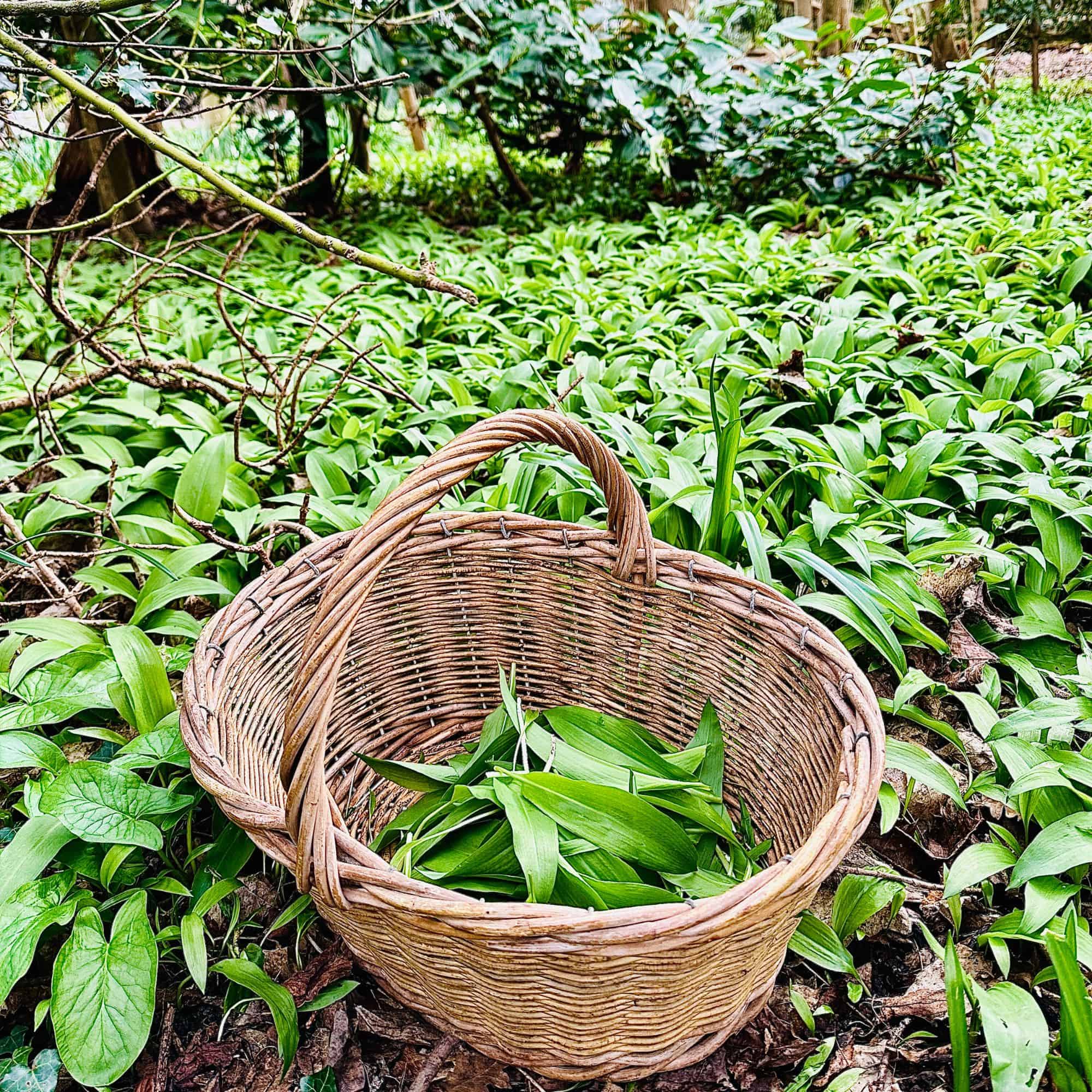
What To Do With Wild Garlic
From quick breads and sauces to preserving wild garlic for later, these recipes show some of the best ways to use it in the kitchen.
Seasonal Wild Garlic Recipes (Cook Now)

Wild Garlic Sauces & Condiments



Pickled Wild Garlic, Buds & Capers (Preserve for Later)

Beyond Wild Garlic: Other Foraged Greens
Alongside wild garlic, these seasonal wild greens are also worth foraging and cooking with in early spring.
If you're new to foraging, I've written a detailed guide on identifying and safely harvesting wild greens, including how to distinguish lookalikes and forage responsibly.
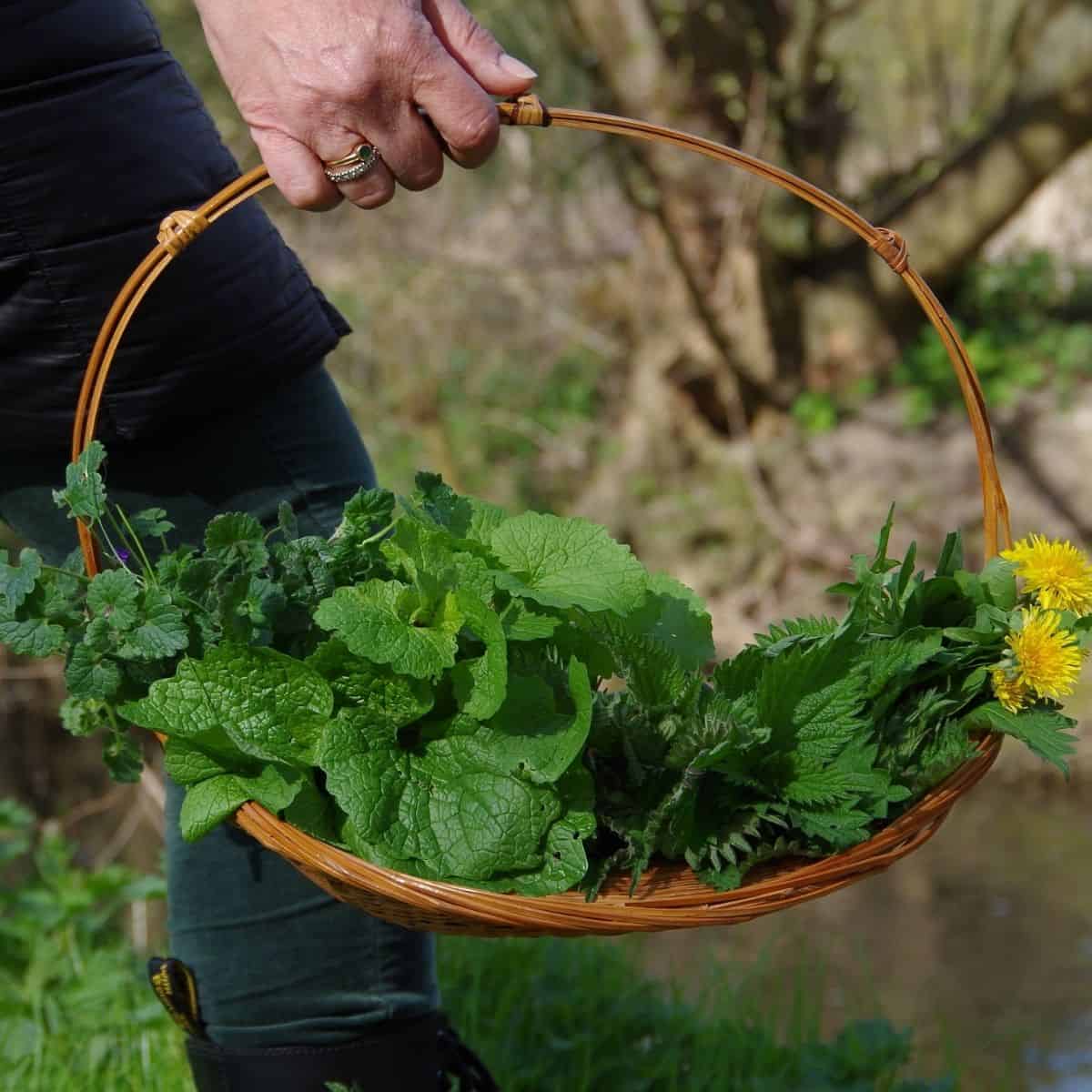


Foraging Guidelines (Safety & Sustainability)
It is important to forage safely and sustainably. Here are some guidelines to consider:
- Do your homework.
Be completely confident in identifying what you are foraging. Mistakes can be dangerous - particularly with mushrooms or plants that have toxic lookalikes. For example, cow parsley can resemble poison hemlock, which is deadly. Learn from an experienced forager, attend a course, or use a trusted field guide such as Food for Free by Richard Mabey. Identification apps can assist, but they should never replace knowledge and caution. - Seek permission.
Much land in the UK is privately owned or managed by organisations such as the Woodland Trust. Always check local guidelines and ensure you have permission where required. - Minimise damage.
- Be mindful of where you step. Foraging should never harm surrounding plants or habitats. We are guests in these ecosystems.
- Forage sustainably.
Only take what you need. Leave plenty behind for wildlife and regeneration. Avoid removing roots unless you have explicit permission and the species is abundant or invasive. - Leave rare species untouched.
Follow conservation guidance in your region. Some species, including wild garlic (ramsons), are increasingly pressured in popular areas. Harvest lightly and responsibly.




Leave a Reply